
 Veritasium
How Dangerous Are Non-Stick Pans?
Summary
AI summaries can be incomplete or wrong. Verify anything important against the original video.
This video examines whether ingesting flakes of Teflon is harmful and explores the broader health risks associated with non-stick cookware.
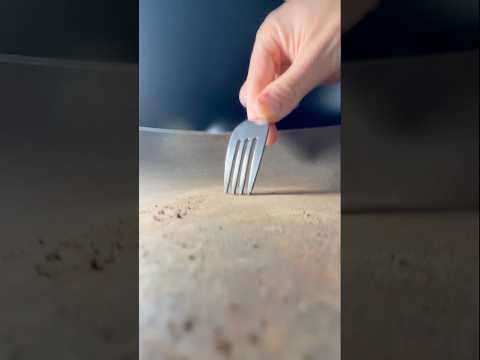
While the ingestion of physical Teflon flakes from a scratched pan is generally considered inert and harmless due to the extreme chemical stability of the carbon-fluorine bonds, the video highlights three significant, indirect health concerns regarding non-stick cookware. First, overheating non-stick pans beyond 300°C can release toxic fumes known as 'Teflon flu.' Second, the manufacturing processes for these pans often involve the use of per- and polyfluoroalkyl substances (PFAS), or 'forever chemicals,' which are highly persistent and associated with serious health issues. Finally, the video notes that current scientific research on the long-term health effects of Teflon as a microplastic is inconclusive and evolving, suggesting that while the coating itself is chemically stable, the life cycle of non-stick production remains a complex environmental and health challenge.
Concepts & takeaways
LockedKey Points
LockedWorth watching if: You want to understand the chemical safety of non-stick pans, differentiate between the hazards of the coating versus the manufacturing process, and learn about the environmental concerns surrounding 'forever chemicals.'
Sign in to unlock the full extract
Every claim, key point, and timestamp for this Veritasium video — plus a daily email of every channel you follow.
Sign in with GoogleNo credit card. Free tier forever.