
 Veritasium
Why do deserts get cold at night?
Summary
AI summaries can be incomplete or wrong. Verify anything important against the original video.
Deserts experience rapid cooling at night primarily because their dry air and ground surface lack the moisture needed to trap and store the sun's heat. Unlike more humid environments, where water vapor in the air and soil absorbs and radiates heat, desert environments lose heat quickly through infrared radiation that escapes directly into space.
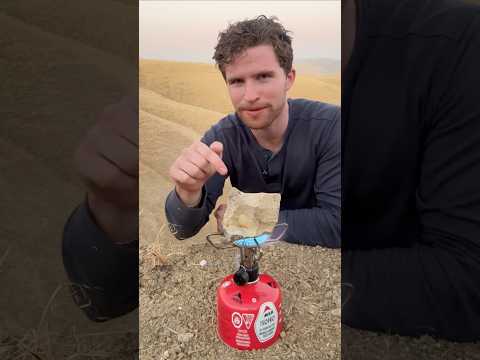
This video investigates the common phenomenon of extreme temperature drops in deserts after sunset. The creator uses the analogy of a heated rock to demonstrate that, while materials can store heat, the desert's sandy surface fails to retain it due to the lack of water. In wetter environments, moisture in the soil facilitates heat storage, and water vapor in the atmosphere acts as a greenhouse gas by absorbing outgoing infrared radiation and re-emitting it, keeping the surface warmer. In the dry, clear air of a desert, this greenhouse effect is minimized. Consequently, infrared radiation from the desert floor is not trapped by the air but escapes directly into space, leading to rapid and dramatic cooling once the sun goes down.
Concepts & takeaways
LockedKey Points
LockedWorth watching if: You are interested in atmospheric science or meteorology and want to understand how moisture regulates Earth's surface temperatures through radiation and insulation.
Sign in to unlock the full extract
Every claim, key point, and timestamp for this Veritasium video — plus a daily email of every channel you follow.
Sign in with GoogleNo credit card. Free tier forever.