
 Veritasium
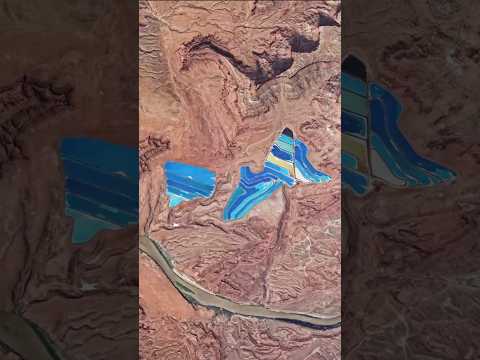
These ponds help support half the people on Earth
Summary
AI summaries can be incomplete or wrong. Verify anything important against the original video.
This video explores the origin and purpose of the striking electric blue evaporation ponds found in the Utah desert. It explains that these ponds are used to harvest potash, a vital potassium-based fertilizer, through a solution mining process.
The vibrant blue color of the ponds in Utah's desert initially appears mysterious, but they serve an essential industrial purpose. These are artificial evaporation ponds designed to harvest potash, a critical potassium-rich compound essential for modern agriculture. The process begins with solution mining, where water is pumped 3,900 feet underground to dissolve subsurface potash deposits into a brine solution. This brine is then pumped back to the surface and into these large ponds, where the water evaporates in the sun, leaving behind the valuable potassium-based crystals. As a crucial component of fertilizer alongside nitrogen and phosphorus, potash significantly improves crop yields and drought resistance, essentially supporting global food production. The changing colors of the ponds reflect different stages of this evaporation and crystallization process.
Concepts & takeaways
LockedKey Points
LockedWorth watching if: You are curious about the origins of large-scale industrial landscapes seen on satellite imagery or want to understand the chemical processes behind essential agricultural fertilizers.
Sign in to unlock the full extract
Every claim, key point, and timestamp for this Veritasium video — plus a daily email of every channel you follow.
Sign in with GoogleNo credit card. Free tier forever.